Every year, tens of thousands of people make the drive to Nevada for Burning Man. Whether you’re coming from California, flying into Reno and renting a car, or making a cross-country road trip, eventually a huge percentage of Burning Man traffic funnels toward the same remote stretch of Nevada.
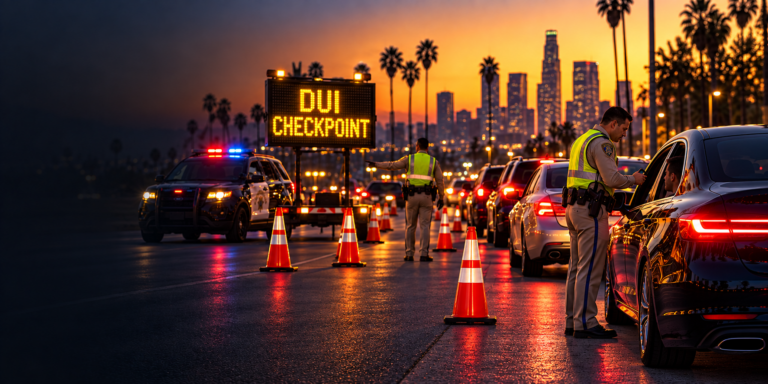
And law enforcement knows you’re coming.
Burning Man creates a unique traffic situation. Roads that normally see relatively limited traffic suddenly fill with cars, trucks, rental vehicles, RVs and trailers headed toward Black Rock City. That surge is no secret to the law enforcement agencies responsible for patrolling the highways and communities surrounding the event.
The same dynamic can happen around major festivals throughout the country. When tens of thousands of people descend on a relatively small area over a few days, police know where the traffic is coming from, which roads festivalgoers are likely to use and when everyone will be heading home.
At The Ticket Clinic, we’ve spent nearly four decades representing drivers charged with traffic offenses. After handling millions of traffic cases, we’ve learned something fairly simple: sometimes the easiest traffic ticket to fight is the one you never receive.
So whether you’re headed into the Black Rock Desert for Burning Man or driving to another major festival, a little preparation before the trip can reduce your chances of turning your festival road trip into an unwanted roadside encounter with law enforcement.
Expect Traffic Enforcement On The Way To Burning Man
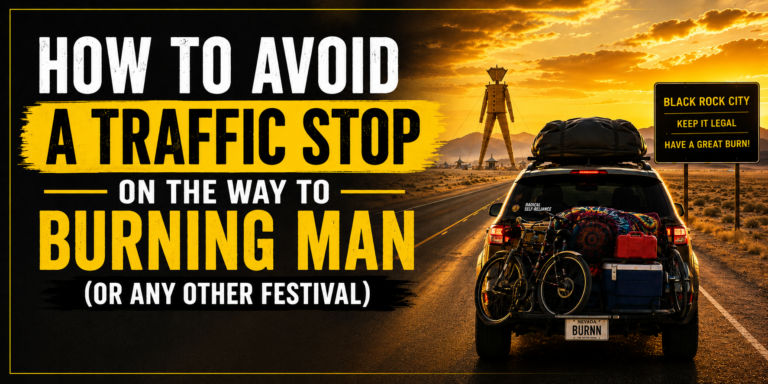
Drivers heading toward Burning Man should expect to encounter law enforcement. The dramatic increase in traffic makes the event impossible to miss, and many of the vehicles headed toward Black Rock City aren’t exactly difficult to identify. An RV covered in playa gear with three bicycles hanging off the back and camping supplies strapped to the roof probably isn’t blending into the morning commute.
That doesn’t mean you’re doing anything wrong, but it does mean this is a particularly bad time to give an officer an obvious reason to stop you.
This isn’t unique to Burning Man. Large music festivals, camping festivals and other major events can create similar traffic patterns. Police departments and highway patrol agencies know when a major event is taking place in their jurisdiction. The best strategy isn’t trying to disguise the fact that you’re going to a festival. It’s making sure you and your vehicle are complying with traffic laws.
1. Watch Your Speed
If you’re trying to avoid a traffic stop, speeding is probably the most obvious place to start.
Pay close attention to posted speed limits throughout the trip, but be particularly careful when transitioning from open highways into smaller communities. After spending an hour driving 65 or 70 mph, it can be surprisingly easy to enter a town and fail to adjust quickly enough when the speed limit drops.
Don’t assume you’re safe simply because you’re traveling at the same speed as a group of other Burning Man vehicles. If 15 cars are traveling 10 mph over the speed limit, an officer doesn’t have to stop all 15. They only need to stop one.
Give yourself plenty of time to reach the event so you aren’t tempted to make up time on the highway. Cruise control can also be useful when conditions allow because it can help prevent your speed from gradually creeping upward during a long drive.
The same advice applies to any festival road trip. A caravan of festivalgoers isn’t a speed-limit exemption.
2. Give Your Vehicle A Pre-Festival Inspection
We’ve represented enough drivers over the years to know that traffic stops don’t always begin with dramatic driving behavior. Sometimes they start with something as simple as a burned-out taillight.
Before leaving, spend a few minutes checking your vehicle. Make sure the headlights, brake lights, taillights, turn signals, hazard lights and license plate lights are working. If you’re towing a trailer, check its lighting system as well.
You should also look at your tires, including the spare. Check tire pressure, tread and overall condition. This becomes particularly important when you’re carrying substantially more weight than usual or traveling hundreds of miles through hot and remote areas.
A minor equipment issue may be inexpensive and easy to fix at home. Discovering it during a traffic stop — or after breaking down in the desert — is considerably less convenient.
Whether you’re heading to Burning Man or another festival, add a basic vehicle inspection to your packing routine.
3. Make Sure Your License Plate Is Visible
Burning Man requires a lot of gear, and getting everything onto a single vehicle can become an impressive exercise in logistics. Bicycles, coolers, storage containers, camping equipment and water all have to go somewhere.
Unfortunately, that can create another issue: a blocked license plate.
After loading your vehicle, stand behind it and make sure your plate is clearly visible and properly mounted. A bicycle rack, cargo carrier, bag or other piece of equipment can easily end up covering part or all of the plate.
Also confirm that your registration is current before leaving. If you’re driving a rental vehicle, familiarize yourself with its documentation and make sure you know where to find it.
This is a common issue with festival travel in general. The more equipment you attach to the exterior of a vehicle, the easier it becomes to accidentally create an equipment or visibility problem that wasn’t there before you started packing.
4. Secure Your Gear And Don’t Overload The Vehicle
Packing for Burning Man can feel like playing Tetris with an entire campsite, but there’s a difference between making everything fit and making everything safe.
Make sure bicycles, coolers, camping equipment, roof cargo and other exterior items are properly secured. If you’re using straps or tie-downs, inspect them before leaving and check them again periodically during the trip. Something that seemed secure in your driveway may look very different after several hours of highway driving.
Weight is another consideration. Water alone can add a surprising amount of weight to a Burning Man vehicle. One gallon of water weighs roughly 8.3 pounds, meaning 50 gallons adds more than 400 pounds before you’ve included passengers, food, bicycles, camping equipment and luggage.
Check your vehicle’s payload and towing limits rather than assuming that if everything physically fits, the vehicle can safely carry it. Excess weight can affect braking, steering, suspension, tires and overall vehicle stability.
Burning Man may be an extreme example, but the same principle applies to any camping or music festival. Several passengers, a weekend’s worth of supplies, tents and coolers can add significant weight surprisingly quickly.
5. Put The Phone Down
Festival road trips create plenty of reasons to look at your phone. You’re navigating unfamiliar roads, coordinating with friends, checking arrival instructions, changing playlists and responding to a group chat that somehow has 147 unread messages.
Let a passenger handle it whenever possible.
Set your navigation before you start driving and use hands-free features when legally permitted and appropriate. If something requires your full attention, find somewhere safe and legal to stop.
Distracted driving creates an obvious safety risk and can also attract the attention of law enforcement. The fact that you’re trying to figure out which campsite your friends are in isn’t going to make distracted driving any safer.
The group chat can wait.
6. Don’t Drive Like You’re Already On The Playa
Burning Man may encourage radical self-expression. The highway patrol probably isn’t looking for radical self-expression in your lane changes.
Use your turn signals, maintain a reasonable following distance and avoid aggressive passing or weaving through traffic. Festival traffic can be frustrating, particularly when you’re stuck behind heavily loaded RVs or vehicles traveling below the speed limit, but shaving a few minutes off your arrival time isn’t worth creating a dangerous situation.
Driving predictably is one of the simplest ways to avoid attracting unnecessary attention.
This applies to virtually every major festival. Save the festival energy for when you actually arrive.
7. Don’t Drive Impaired — And Don’t Ignore Fatigue
It should go without saying that you should never drive while impaired by alcohol, cannabis or any other substance that affects your ability to safely operate a vehicle.
That applies on the way to Burning Man, while you’re there and especially during the trip home.
Fatigue deserves similar attention. Burning Man can involve days of limited sleep followed by a long drive home. Other music and camping festivals can create exactly the same situation: several late nights followed by thousands of people attempting to leave at roughly the same time.
If you’re too tired to safely drive, get some sleep first. Getting home several hours later is a much better outcome than attempting to push through severe fatigue behind the wheel.
8. Be Especially Careful Driving Through Small Towns
One of the easiest road-trip mistakes happens when drivers leave a high-speed highway and enter a smaller community without immediately adjusting their speed.
You might spend the previous hour driving 65 or 70 mph and then encounter a series of progressively lower speed limits as you enter a town. Pay close attention to those signs and reduce your speed before entering the lower-speed zone.
This is particularly important on routes to Burning Man, where drivers can spend significant time traveling through open areas before entering smaller communities.
You’ll encounter similar situations around rural festivals throughout the country. If you’ve been cruising on the highway for hours, don’t let that speed become your new mental default when the posted limit changes.
9. Look At Your Vehicle The Way An Officer Might
Before leaving for Black Rock City, walk around your fully loaded vehicle one final time.
Don’t just ask yourself whether everything fits. Look for obvious issues that might attract attention. Is the license plate obstructed? Is a bicycle hanging unusually far off the back? Is cargo blocking a mirror or window? Is something loosely attached to the roof? Is a light broken? Does the trailer look properly connected?
The goal isn’t to make your vehicle invisible. It’s to eliminate avoidable problems before you encounter law enforcement.
Festival vehicles frequently stand out anyway, particularly when they’re loaded with camping gear. There’s no reason to make yours stand out because of an obvious traffic or equipment violation.
10. Have Your License, Registration And Insurance In Order
Before beginning the trip, make sure your driver’s license is valid and that your registration and insurance information are current and accessible.
This sounds obvious, but a long road trip is a particularly bad time to discover that your registration expired months ago.
If you’re using a rental vehicle, know where the relevant documents are located. If you’re towing a trailer, make sure its required paperwork and registration are also in order.
A few minutes checking paperwork at home is easier than trying to figure it out on the side of a Nevada highway.
11. Plan Your Route Before You Leave
Burning Man takes place in an extremely remote environment, so route planning is more important than it might be for an ordinary road trip.
Know where you’re going before leaving, make sure you have adequate fuel and consider downloading offline maps before entering areas where cellular coverage may become unreliable. Don’t blindly follow a navigation app onto an unfamiliar road simply because it claims you’ll save a few minutes.
For other major festivals, check official traffic and parking information before leaving. Large events may establish special entrances, temporary traffic patterns or designated routes for attendees.
Knowing where you’re going also reduces the likelihood of last-second lane changes, illegal U-turns and other driving mistakes that can attract law enforcement attention.
What Should You Do If You’re Pulled Over On The Way To Burning Man?
Even if you follow every tip above, you can still get pulled over.
If an officer activates emergency lights behind you, signal and pull over somewhere safe as soon as reasonably possible. Turn off the vehicle, remain calm and avoid unnecessary sudden movements. Provide the documents you’re legally required to provide.
Most importantly, understand that the side of the road generally isn’t the place to litigate a traffic case. You don’t necessarily need to convince the officer that you didn’t commit the violation.
If a citation is issued, read it carefully, pay attention to any deadlines and review your options afterward. A traffic citation is an accusation, and depending on the jurisdiction and circumstances, you may have options for contesting it.
That applies whether the ticket happens 50 miles outside Black Rock City or 50 miles outside another festival.
Don’t Forget About The Drive Home
For Burning Man attendees, the exodus deserves just as much attention as the trip into Black Rock City.
Your vehicle may have spent several days in an extremely harsh environment. Before starting the trip home, take another look at your tires, lights, mirrors, license plate, windshield visibility, trailer connections and exterior equipment. Playa dust and several days of use can leave the vehicle in a very different condition than when you arrived.
You should also make sure you’re personally ready to drive. After days of limited sleep, don’t treat getting behind the wheel as simply the final step of the festival. The drive home is still part of the trip.
The same warning applies after any major music festival. Thousands of exhausted attendees leaving an event simultaneously can create a dangerous combination of congestion, fatigue and impatient driving.
Got A Traffic Ticket On Your Festival Road Trip?
Sometimes you can do everything possible to avoid a traffic stop and still end up holding a citation. That’s where The Ticket Clinic comes in.
The Ticket Clinic has been fighting traffic tickets since 1987. Over nearly four decades, we’ve handled millions of traffic-related cases involving speeding tickets, moving violations, suspended licenses, reckless driving allegations, DUI charges and other traffic offenses.
Festival travel can also create an additional complication: you may receive a ticket far from home. A driver might live in California, travel to Burning Man in Nevada and receive a citation hundreds of miles away from where they normally drive. The same issue can happen with festivals anywhere in the country.
Before automatically paying an out-of-state traffic citation, it can be worth understanding what options are available and how a conviction could potentially affect your driving record.
A Final Word From The Ticket Clinic
There isn’t a secret trick for making yourself invisible to law enforcement on the way to Burning Man. The best approach is considerably simpler: don’t give an officer an easy reason to pull you over.
Drive the speed limit, make sure your vehicle is roadworthy, keep your license plate visible, secure your gear, stay off your phone and don’t drive impaired or dangerously fatigued. These precautions apply whether you’re driving into the Black Rock Desert or heading to virtually any other major festival in the country.
Take care of the basics and hopefully the only flashing lights you see during your trip will be coming from the festival.
And if you do come home with a traffic ticket, The Ticket Clinic is here to help.
Disclaimer: This article is provided by The Ticket Clinic for general informational purposes only and is not legal advice. Traffic laws and enforcement practices vary by jurisdiction and individual circumstances. Past results do not guarantee future outcomes.